If you have ever wondered whether a skin concern calls for a medical appointment or a cosmetic consultation, you are not alone. The line between the two can feel blurry, especially when a single visit might involve both a suspicious mole and a question about fine lines. Understanding how dermatologists separate these categories can help you book the right kind of appointment, set realistic expectations about cost, and avoid bouncing between offices.
What Medical Dermatology Covers
Medical dermatology focuses on the diagnosis and treatment of conditions that affect the health of your skin, hair, and nails. That includes skin cancer screenings and biopsies, acne, eczema, psoriasis, rosacea, warts, rashes, hair loss, nail disorders, and chronic conditions like hidradenitis suppurativa. If a concern itches, hurts, bleeds, spreads, or changes over time, it usually falls on the medical side.
These visits are clinical by design. Your dermatologist takes a history, examines the area, and recommends a treatment plan that may include prescription topicals, oral medications, in-office procedures, or follow-up monitoring. The goal is to protect or restore the function of your skin, not to change how it looks for aesthetic reasons.
What Cosmetic Dermatology Covers
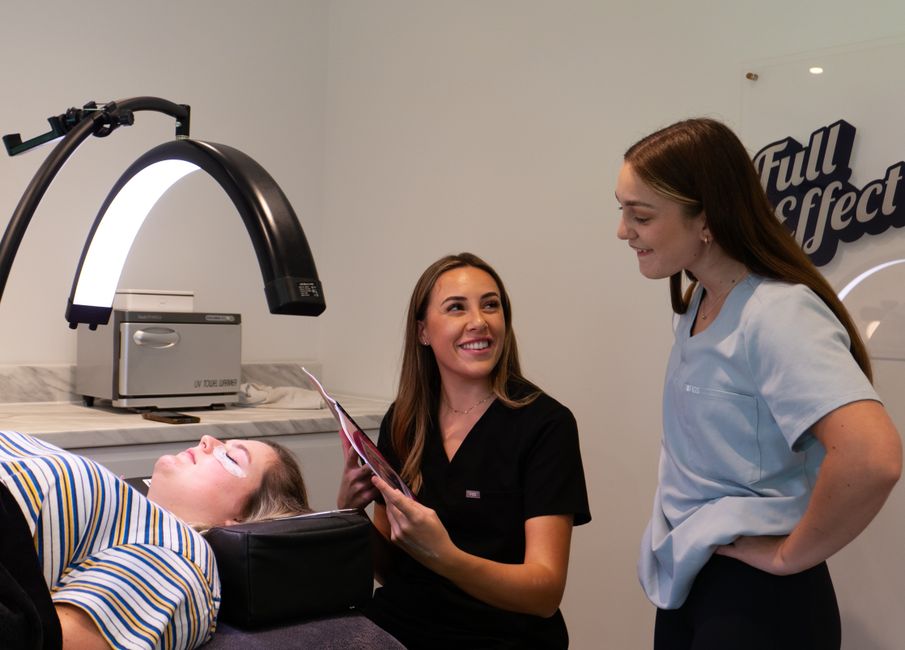
Cosmetic dermatology addresses the appearance of skin that is otherwise healthy. Common services include Botox and other neuromodulators, dermal fillers, chemical peels, laser treatments for sun damage or redness, microneedling, and treatments aimed at texture, tone, and signs of aging. The skin issues being treated are not medically harmful; the patient simply wants to change how they look.
Because these procedures are elective, they tend to involve more conversation about goals, timelines, and budget. A good cosmetic consultation should feel collaborative, with a clear explanation of what a treatment can and cannot do.
When a Concern Is Both
Many skin issues sit in the overlap. Acne is a medical condition, but the scars it leaves behind are often treated cosmetically. Rosacea is medical when it causes flushing, bumps, and irritation, but the persistent redness it leaves behind may be addressed with laser therapy that falls under cosmetic care. Sun damage is another common example: precancerous spots are medical, while the brown patches and dullness left by years of Idaho summers are usually cosmetic.
This is why it helps to see a practice that handles both. A dermatologist who already knows your medical history can sequence treatments thoughtfully, treating the underlying condition first and then addressing the cosmetic aftermath once the skin is stable.
What Insurance Typically Covers
As a general rule, insurance covers medical dermatology and does not cover cosmetic dermatology. A full-body skin check, a biopsy of a changing mole, a prescription for eczema, or treatment for severe acne is usually billed to your health plan, subject to your deductible and copay. Skin cancer treatments, including Mohs surgery, are almost always covered when medically necessary.
Cosmetic services are paid out of pocket. Botox, fillers, laser resurfacing, peels, and most pigment or redness treatments are considered elective and priced per treatment or per package. There are gray areas worth asking about. Excessive sweating treated with Botox, certain scar revisions, and some laser treatments for medical rosacea may be partially covered when documentation supports medical necessity. Your front desk team and your insurer can confirm the specifics before you commit.
How to Tell Which Visit to Book
A simple test: if you would still want the issue addressed even if no one else could see it, it is probably medical. A mole that has changed shape, a rash that will not quit, hair shedding more than usual, or acne that scars all warrant a medical appointment. If the concern is primarily about appearance — softening lines, brightening tone, smoothing texture — a cosmetic consultation is the right starting point.
When you are not sure, start with a medical visit. Your dermatologist can rule out anything concerning, then point you toward cosmetic options if that is where the conversation leads. It is far easier to add a cosmetic plan after a medical clearance than to discover a medical issue mid-cosmetic treatment.
One Practice, Both Tracks
At Gem State Dermatology in Boise, we see patients from across the Treasure Valley for both medical and cosmetic care. That means a patient can come in for an annual skin check, have a spot biopsied, and during the same relationship ask about laser treatment for sun damage or Botox for frown lines. The medical chart, the photographs, and the provider’s knowledge of your skin all stay in one place.
This continuity matters more than it sounds. Skin is a long-term project, and decisions made on the cosmetic side — what laser is safe for your skin type, whether a peel will interact with your acne medication, how soon after a biopsy you can resume treatments — depend on the medical picture. Keeping both under one roof reduces guesswork and saves you trips.
Your Next Step
If you have a specific concern in mind, write it down before you call to schedule. Note when it started, what makes it better or worse, and whether it is bothering you medically, cosmetically, or both. That short summary helps our team book the right length of visit with the right provider and lets you walk in knowing what to expect. Whether you are due for a skin check or curious about a cosmetic treatment for the first time, a single conversation is usually enough to map out a plan that fits your skin and your budget.
Featured image: Photo by Louix Hunter on Pexels.