If you have started looking into professional skin treatments, the menu can feel overwhelming. Peels, lasers, microneedling, radiofrequency, IPL — they all promise smoother, clearer, more even skin, but they work in different ways and suit different concerns. This guide walks through the most common options in plain terms so you can have a more useful conversation at your next visit.
What “Skin Rejuvenation” Actually Means
Skin rejuvenation is a broad category covering treatments that improve the surface and structure of the skin. Some focus on tone — brown spots, redness, dullness. Others focus on texture — fine lines, acne scars, enlarged pores. A few do both, and some go deeper to stimulate collagen for longer-term firmness.
No single treatment does everything well. The right choice depends on what bothers you most, how much recovery time you can take, your skin type, and how much sun exposure you get in a typical Treasure Valley summer.
Chemical Peels: The Entry Point
Chemical peels use a controlled solution to exfoliate the outer layers of skin. Light peels, often using glycolic or salicylic acid, brighten dull skin, soften early sun damage, and help with mild acne. Recovery is usually a day or two of flaking. Medium-depth peels reach further and address more pronounced sun spots and fine lines, with about a week of visible peeling.
Peels are a good fit for patients who want noticeable improvement without committing to a device-based treatment. They work best as a series rather than a one-off, and they pair well with a consistent home routine.
Microneedling for Texture and Scarring
Microneedling uses very fine needles to create controlled micro-injuries in the skin. That sounds aggressive, but the goal is straightforward: prompt the skin to produce new collagen as it heals. Over a few sessions, patients often see softer acne scars, smaller-looking pores, and a more even surface.
Downtime is modest. Most people are pink for 24 to 48 hours, similar to a mild sunburn. Microneedling suits patients who are bothered more by texture than by pigment, and it is generally safe across a wide range of skin tones.
RF Microneedling: Going a Layer Deeper
Radiofrequency microneedling combines the needling technique above with heat delivered through the needle tips. The added energy reaches deeper layers and produces a stronger collagen response, which can help with mild skin laxity, deeper acne scars, and more stubborn texture issues.
Recovery is a step up from standard microneedling — expect redness and some swelling for two to four days. Results build gradually over three to six months. RF microneedling is often a good middle ground for patients who want more impact than basic microneedling offers but are not ready for ablative laser resurfacing.
IPL for Brown Spots and Redness
Intense pulsed light, or IPL, is not technically a laser, but it uses broad-spectrum light to target pigment and blood vessels near the surface. It is one of the best options for sun spots, freckling, and the diffuse redness associated with rosacea. After a session, brown spots typically darken for several days before flaking away, and redness gradually fades.
IPL works best on lighter skin tones and is most effective in fall and winter, when sun exposure is lower. In Boise that often means scheduling between October and March, since IPL-treated skin needs to stay out of direct sun while it heals. Most patients need a series of three to five sessions for full results.
Laser Resurfacing: The Heaviest Lift
Laser resurfacing covers a range of devices, from gentler non-ablative lasers that work beneath the surface to fractional ablative lasers like CO2 that remove a controlled portion of the outer skin. The deeper the treatment, the more dramatic the results — and the longer the recovery.
Fractional ablative resurfacing can meaningfully improve deep wrinkles, significant sun damage, and noticeable scarring, but it typically requires one to two weeks of downtime with redness, peeling, and careful aftercare. It is best suited to patients with specific, well-defined concerns who can plan around the recovery window.
Matching the Treatment to the Goal
A useful way to narrow things down is to start with your top concern. If it is brown spots and broken capillaries, IPL is usually the first conversation. If it is acne scars or rough texture, microneedling or RF microneedling tend to come up. If it is dullness or early sun damage and you want low downtime, a series of peels is reasonable. If lines and laxity are the priority and you can plan for recovery, resurfacing lasers may give the most for your time.
Skin type, medical history, and medications all matter too. Some treatments carry a higher risk of pigment changes in darker skin tones, and certain prescriptions affect how skin heals. A dermatologist’s evaluation rules out anything that would not be safe or effective for you specifically.
A Practical Next Step
Before booking any treatment, write down the two or three things you would most like to change about your skin and how much recovery time you can realistically take in the next few months. Bring that list to a consultation. A good provider will tell you not just which treatment fits, but whether the timing, season, and your current routine make sense. In the Treasure Valley, scheduling light-based treatments for the cooler months and reserving lighter options for spring and summer is often the most sensible path.
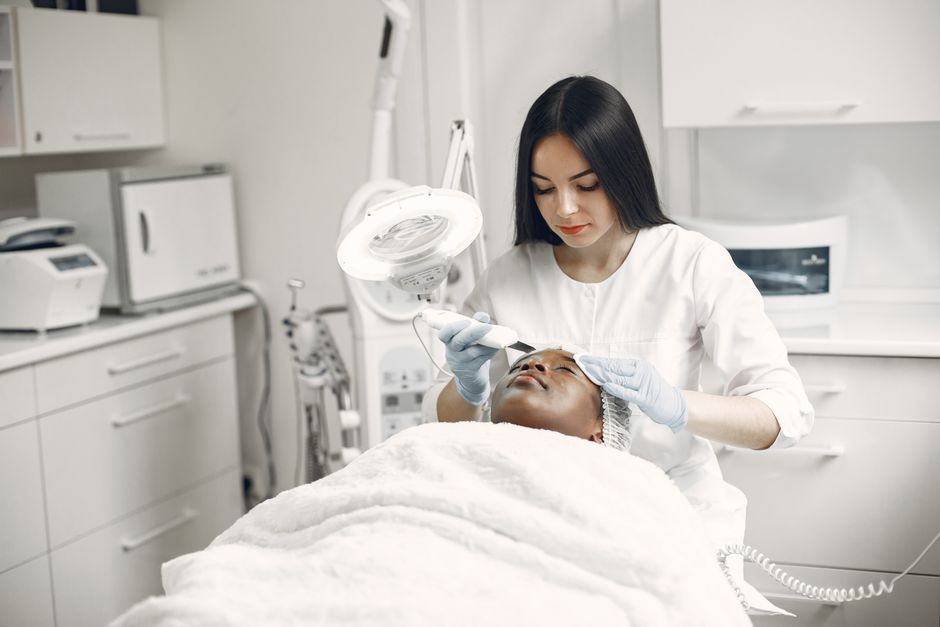
Featured image: Photo by Gustavo Fring on Pexels.