
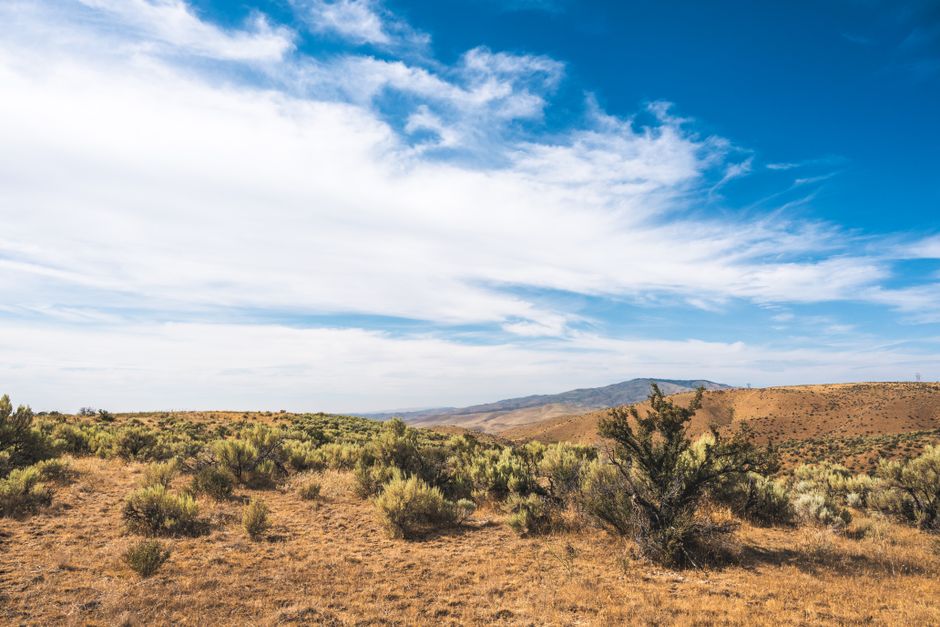
Idaho’s high elevation and sunny climate mean most of us log a lot of UV exposure without realizing it. Boise sits at roughly 2,700 feet, and even routine outdoor time — a morning walk along the Greenbelt, weekend hikes in the Foothills, or a summer float on the Boise River — adds up over the years. That cumulative exposure is one of the biggest reasons dermatologists recommend a full-body skin cancer screening for adults, especially those with fair skin, a family history of skin cancer, or a history of sunburns.
If you’ve never had a professional skin check, the process is more straightforward than you might expect. Here’s what a screening actually involves and how to prepare.
Who Should Get Screened
Skin cancer is the most commonly diagnosed cancer in the United States, and rates continue to climb. While anyone can develop it, the risk is higher if you:
- Have fair skin, light eyes, or blonde or red hair
- Have had one or more blistering sunburns, especially in childhood
- Use or have used tanning beds
- Have a personal or family history of melanoma or non-melanoma skin cancer
- Have many moles (typically more than 50) or atypical moles
- Are immunosuppressed, including organ transplant recipients
- Spend significant time outdoors for work or recreation
For most adults, an annual full-body exam is a reasonable starting point. If you have a history of skin cancer or atypical moles, your dermatologist may recommend more frequent visits.
What Happens During a Screening
A skin cancer screening is a visual exam performed by a dermatology provider. You’ll change into a gown, and the provider will systematically examine your skin from the scalp down to the soles of your feet, including areas that don’t typically get sun exposure. Common areas checked include the scalp, behind the ears, between the fingers and toes, and the nails.
To look at spots more closely, providers often use a dermatoscope — a handheld magnifier with polarized light that reveals patterns not visible to the naked eye. This helps distinguish benign moles from lesions that need closer attention.
The exam itself usually takes 10 to 20 minutes. If a suspicious lesion is found, the next step is typically a skin biopsy, where a small sample is taken under local anesthesia and sent to a lab for evaluation.
How to Prepare
A few small steps make the visit more thorough:
- Remove nail polish so fingernails and toenails can be examined
- Take your hair down (no tight buns or elaborate styles)
- Skip makeup, or be prepared to remove it
- Make a list of any spots that are new, changing, itching, bleeding, or not healing
The old ABCDE rule is still a helpful guide for self-checks between visits: Asymmetry, Border irregularity, Color variation, Diameter larger than a pencil eraser, and Evolving. Anything that fits one or more of these categories deserves a professional look.
Between Appointments
Screenings are one piece of skin cancer prevention — daily habits matter just as much. Broad-spectrum sunscreen (SPF 30 or higher), protective clothing, wide-brimmed hats, and avoiding peak UV hours all reduce risk. If you spend time on Bogus Basin’s slopes in winter, remember that snow reflects UV and elevation intensifies it, so sun protection is a year-round need in the Treasure Valley.
Scheduling a Skin Check in Boise
If it’s been more than a year since your last skin exam — or if you’ve noticed a spot that concerns you — a screening is a low-effort, high-value appointment. Gem State Dermatology offers full-body skin cancer screenings and follow-up care for suspicious lesions. Contact the office to schedule a visit.