Skin cancer is the most common cancer in the United States, and it’s also one of the most treatable when caught early. The catch is that early skin cancer rarely looks like what people expect. It doesn’t usually hurt, bleed, or grow quickly. It often blends in with the freckles, age spots, and sun damage that most adults in the Treasure Valley have collected over a lifetime outdoors. That’s exactly why so many cases slip past until a routine exam catches them.
Early Skin Cancer Doesn’t Look Dramatic
Most people picture skin cancer as a dark, jagged growth that demands attention. In reality, an early melanoma might look like a small new mole. An early basal cell carcinoma can resemble a pimple that won’t heal or a shiny patch of skin that catches the light a little differently than the area around it. Squamous cell carcinomas often start as a rough, scaly spot that feels like sandpaper.
Because these changes are subtle, they’re easy to write off as dry skin, an old scar, or just another sunspot. Many patients tell us they noticed something months ago but didn’t think it was worth mentioning until a dermatologist pointed it out.
The ABCDE Rule for Melanoma
For moles specifically, dermatologists use a simple framework called the ABCDE rule. A stands for asymmetry, where one half of the mole doesn’t match the other. B is for border irregularity, including edges that are scalloped, blurred, or notched. C is color variation, such as a mole that contains multiple shades of brown, black, red, white, or blue. D is diameter, generally larger than six millimeters, about the size of a pencil eraser, though melanomas can be smaller. E is evolving, meaning any mole that changes in size, shape, color, or texture over weeks or months.
The “E” is often the most important. A mole that looks unusual but has been stable your entire life is less concerning than an ordinary-looking spot that has started to change.
The Spots People Forget to Check
Self-exams are valuable, but they tend to focus on the face, arms, chest, and back, the places we see in the mirror. Skin cancer doesn’t limit itself to sun-exposed areas, and it can develop in places that are hard to see or rarely inspected.
The scalp is a common blind spot, particularly for patients with thinning hair or those who don’t wear hats outdoors. The ears, especially the upper rim and behind the lobe, take a surprising amount of sun. Less obvious but equally important: the soles of the feet, between the toes, under fingernails and toenails, and the skin around the groin. Acral lentiginous melanoma, a subtype that appears on palms, soles, and under nails, is often diagnosed late because almost no one thinks to look there.
Why Idaho Skin Sees More Sun Than You Think
Boise sits at roughly 2,700 feet of elevation, and much of the Treasure Valley sees more than 200 sunny days a year. Higher elevation means stronger UV exposure, and our long ski seasons, summer river days, and hiking culture add up over decades. Patients who grew up here, or who moved from cloudier climates and embraced the outdoor lifestyle, often have more cumulative sun damage than they realize.
That history matters because skin cancer risk is largely about lifetime UV exposure. Damage from childhood sunburns can surface as a cancerous lesion forty or fifty years later.
Why Annual Professional Skin Checks Catch What You Miss
A full-body skin exam with a dermatologist takes about fifteen minutes and covers areas you can’t easily see on your own. We use a dermatoscope, a handheld magnifier with polarized light, that reveals patterns under the surface of a mole that aren’t visible to the naked eye. That tool alone helps distinguish a harmless spot from one that needs a biopsy.
We also have something patients don’t: a baseline. When you come in each year, we compare your skin to photos and notes from previous visits. A mole that looks unremarkable today but has clearly changed since last year tells a story that a single exam can’t.
When to Come In Sooner
An annual exam is the standard recommendation for most adults, and more frequent visits make sense if you have a personal or family history of skin cancer, many moles, fair skin, or a history of significant sun exposure or tanning bed use.
Between visits, anything new, changing, itching, bleeding, or simply not healing within a few weeks deserves a closer look. You don’t need to be certain something is wrong to make an appointment. It’s our job to sort that out.
Schedule Your Annual Skin Check
If it’s been more than a year since your last full-body skin exam, or if you’ve never had one, this is a good time to put it on the calendar. Most screenings are quick, painless, and covered by insurance as preventive care. Booking an annual visit with our team in Boise is the single most effective step you can take to catch skin cancer while it’s still easy to treat.
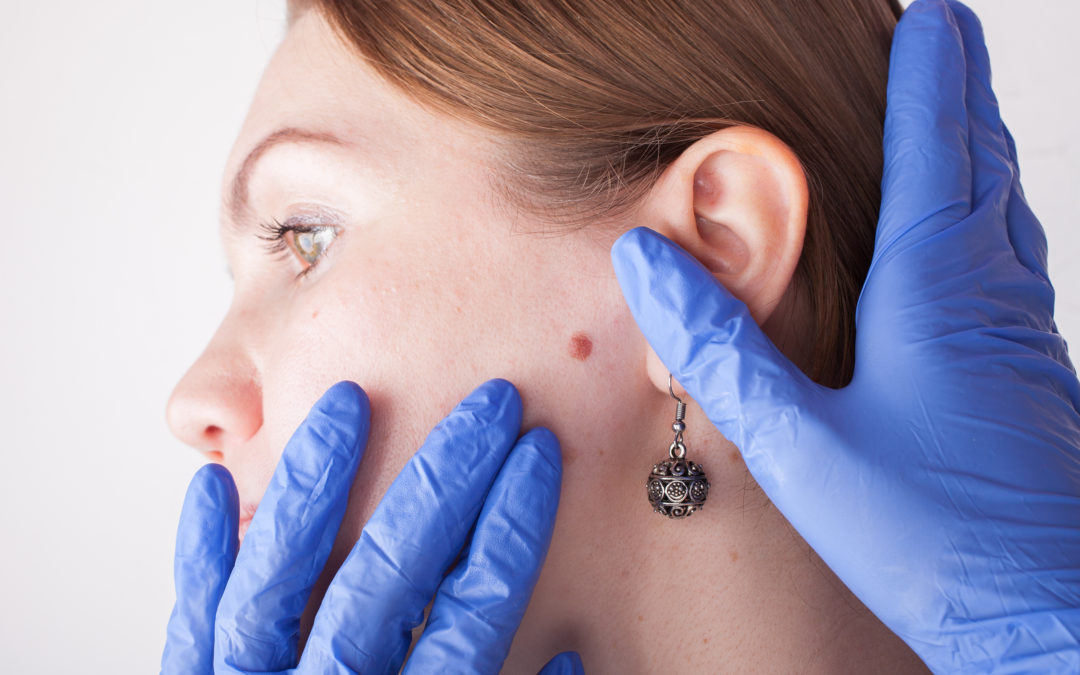
Featured image: Photo by Pavel Danilyuk on Pexels.