
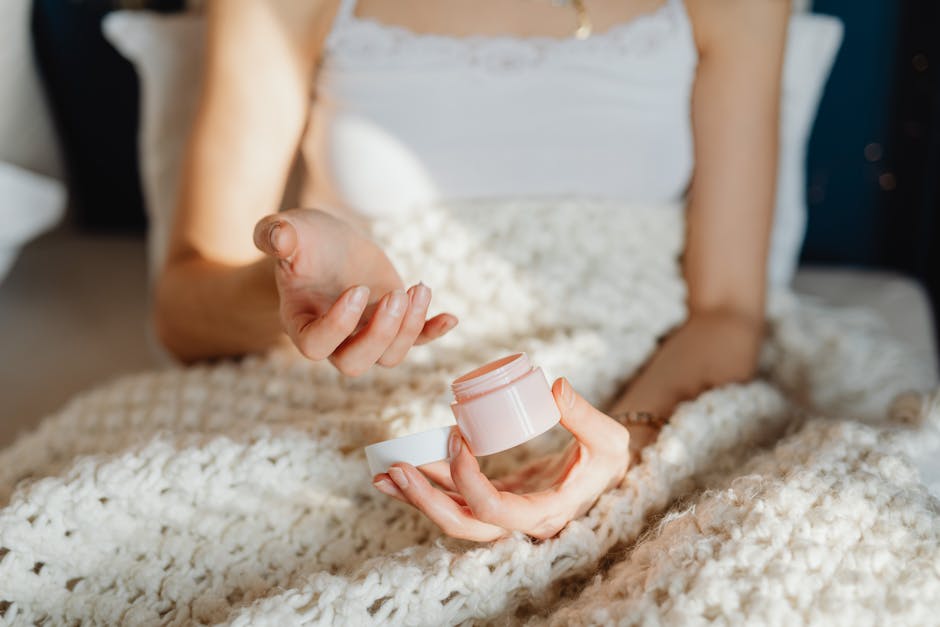
Idaho winters are tough on skin. Cold outdoor temperatures, dry indoor heating, low humidity, and the wind that whips across the Treasure Valley combine to strip moisture from your skin barrier faster than most people realize. By late January, many Boise residents are dealing with flaking, redness, cracked lips, and a dull complexion they didn’t have in October. The good news is that winter skin damage is largely preventable with the right routine.
Why Winter Is So Hard on Idaho Skin
Skin barrier function depends on adequate moisture and intact lipids. Cold air holds less moisture than warm air, and when you move from heated indoor spaces into freezing outdoor temperatures repeatedly throughout the day, your skin is constantly losing water to its environment. Indoor heating compounds the problem by drying the air inside your home or office.
The result is what dermatologists call transepidermal water loss — moisture evaporating from your skin faster than your body can replace it. Over weeks, this leads to a compromised skin barrier that becomes more reactive, more prone to redness, and slower to heal.
Common Winter Skin Mistakes
Several everyday habits make winter skin worse without people realizing it. Hot showers feel wonderful but strip natural oils from the skin within minutes. Foaming cleansers designed for oily summer skin are too harsh for winter. Skipping sunscreen on cloudy days exposes skin to UV through clouds and reflected off snow. And waiting too long after washing to apply moisturizer means losing the brief window when skin absorbs hydration most effectively.
Aggressive exfoliation is another common mistake. The instinct to scrub away flaking skin makes the underlying barrier issue worse. Winter skin needs gentler care, not more aggressive treatment.
Building a Winter Skincare Routine That Works
A solid cold-weather routine starts with a gentle, cream-based or oil-based cleanser rather than anything labeled “deep cleansing” or “oil control.” Lukewarm water, not hot. Pat dry rather than rub, and apply moisturizer within sixty seconds while skin is still slightly damp.
Look for moisturizers containing ceramides, hyaluronic acid, glycerin, and occlusives like petrolatum or shea butter. These ingredients support the skin barrier and lock in hydration far better than the lighter lotions that work fine in summer. Many patients benefit from layering — a hydrating serum followed by a richer cream — rather than relying on a single product.
Don’t Skip Sunscreen in Winter
UV exposure continues year-round, and reflected light from snow can deliver as much UV to your face as a summer day at the lake. Boise sits at elevation, which intensifies UV further. A daily broad-spectrum SPF 30 or higher should be part of your morning routine in January just as much as in July.
This is especially important for anyone who skis or spends time at higher elevations on weekends. The combination of altitude, snow reflection, and longer outdoor exposure adds up quickly.
Protecting Lips, Hands, and Other Vulnerable Areas
Lips have no oil glands and are particularly vulnerable in winter. Use a balm with petrolatum or beeswax, and apply it before going outside rather than after lips are already cracked. Avoid licking your lips — saliva evaporates and pulls more moisture out.
Hands take a beating from frequent washing, hand sanitizer, and cold exposure. Keep hand cream by every sink and apply after each wash. Cotton or fleece-lined gloves under your driving gloves help retain warmth and moisture during commutes.
When to See a Dermatologist
If your skin develops persistent redness, painful cracking, eczema-like rashes, or anything that doesn’t respond to a careful at-home routine within a few weeks, it’s worth scheduling a visit. Conditions like eczema, rosacea, and seborrheic dermatitis often flare in winter and benefit significantly from prescription-strength treatment.
A dermatologist can also identify whether your skin issues are simple dryness or something more complex. Conditions that look similar at first glance — perioral dermatitis, contact dermatitis, fungal infections — require specific treatment approaches and won’t improve with generic moisturizers.
Your Skin in February and Beyond
Winter doesn’t end in January. The driest and most damaging conditions for skin in Idaho often peak in February and early March, when temperatures are still cold but sunshine increases. Building good habits now protects your skin barrier through the rest of the cold months and sets you up for healthier skin when spring arrives.
If your current routine isn’t keeping up with what Idaho winters do to your skin, a brief consultation with a dermatologist can usually identify a few targeted changes that make a real difference. Healthy winter skin isn’t about expensive products — it’s about the right ingredients applied consistently at the right times.
Featured image: Photo by Karolina Grabowska on Pexels.